FORMATION
Pushed, then bent
Wind drags the sea surface along. Earth's rotation deflects that flow, the Coriolis effect, to the right in the north and to the left in the south.
Pick a gyre gyrotext
00THE SCIENCE OF OCEAN GYRES
Five vast loops of current circle the world's oceans.
Wind pushes the surface water, Earth's rotation bends it, and the continents fence it in, according to National Geographic. Their calm centres are also where floating debris ends up.
Pick a gyre01Principles
02THE SHORT ANSWER
A gyre is a large system of rotating currents.
Three forces together make one.
FORMATION
Wind drags the sea surface along. Earth's rotation deflects that flow, the Coriolis effect, to the right in the north and to the left in the south.
Pick a gyreTRACKING
NOAA tracks currents with tools such as its global drifter array of floating buoys, and says currents move pollution and debris as well as water.
Life in a gyreGARBAGE PATCHES
Debris drawn to a gyre's calm centre is mostly tiny microplastics by count. NOAA calls it more like pepper flakes in soup than a floating island.
See the numbers03THE FIVE MAJOR GYRES
Pick one of the five major gyres NOAA names to see how it turns. The bar shows how much floating debris is described gathering there in the sources.
Directions from National Geographic Education and NOAA. NOAA says garbage patches of varying sizes are found in every gyre; National Geographic names the North Pacific, North Atlantic and Indian Ocean as having significant ones.
04TWO NUMBERS WORTH KNOWING
A 2018 study surveyed the Great Pacific Garbage Patch
with ships and aircraft.
≈ 79k tonnes
Floating plastic in the patch
Lebreton and colleagues estimated at least 79,000 tonnes (range 45,000 to 129,000) of plastic floating in an area of 1.6 million km², four to sixteen times higher than earlier estimates.
MASS · SCIENTIFIC REPORTS 2018
1.8 trillion
Estimated pieces of plastic
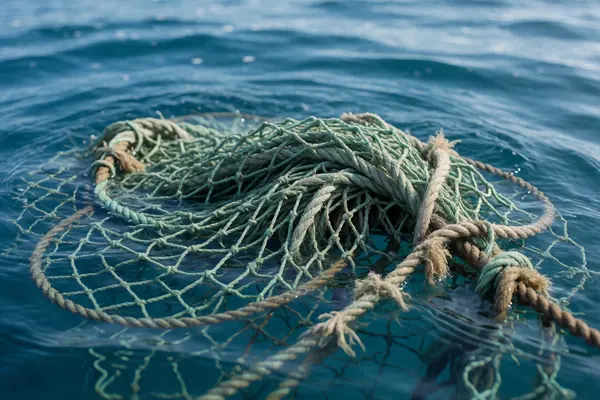
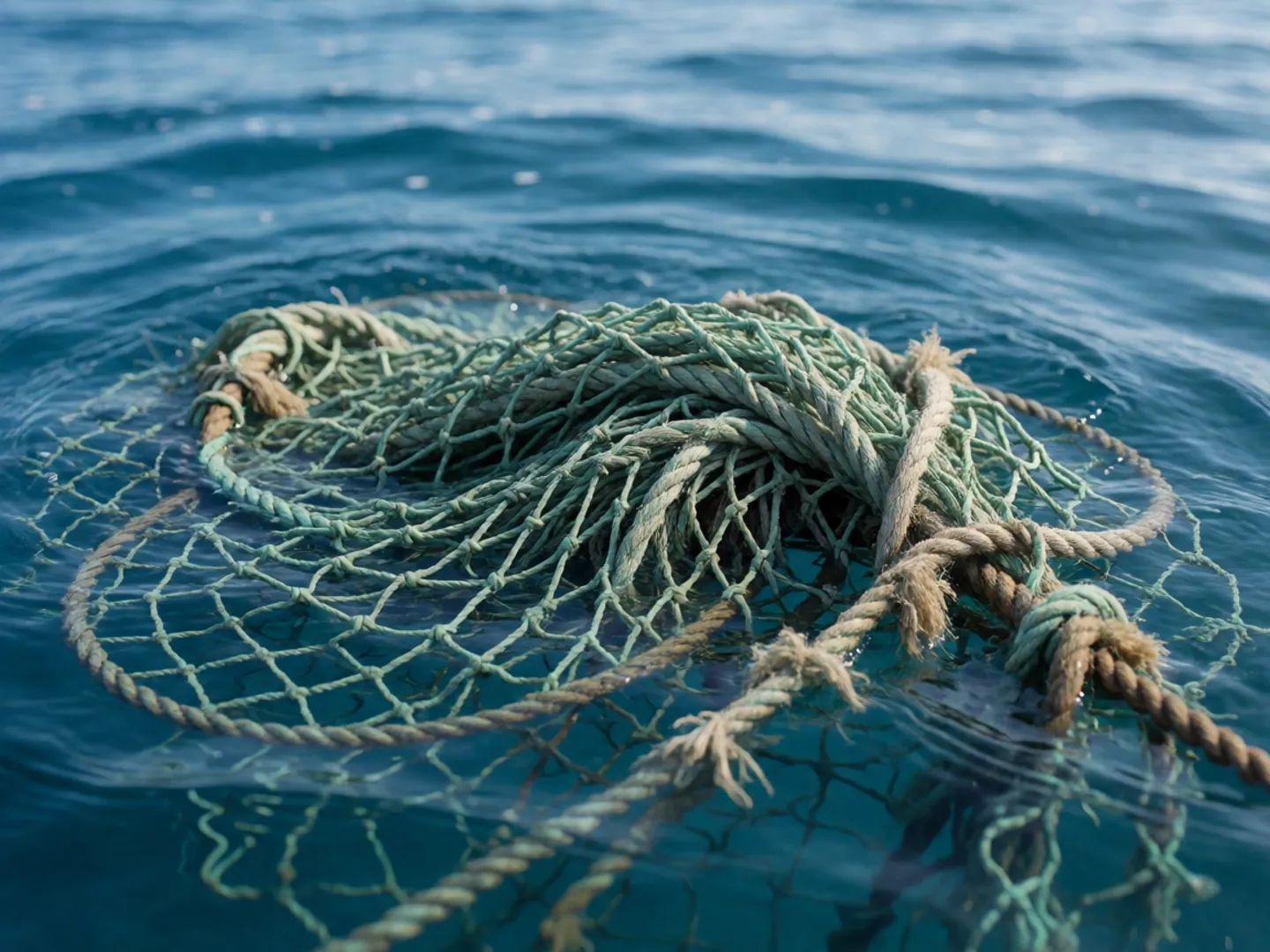
Microplastics were 94% of the estimated 1.8 trillion pieces but only 8% of the mass. At least 46% of the mass was fishing nets.
PIECES · SCIENTIFIC REPORTS 2018
The same study suggested plastic in the patch is increasing exponentially and faster than in surrounding waters. NOAA notes its exact size is hard to fix because the debris keeps moving with currents and winds.
05FOUR WAYS TO EXPLORE
You don't need a ship. These are ways to explore gyres and currents using public maps and data.
NOAA publishes ocean surface current maps and global drifter data that show the big loops clearly.
Trace the Gulf Stream north and across the Atlantic: it is the western edge of the North Atlantic Gyre.
Subtropical gyres circle areas under high atmospheric pressure: placid stretches of ocean thousands of kilometres across.
Many gyres sit between about 30 and 35 degrees north and south, calm belts known to sailors as the horse latitudes.
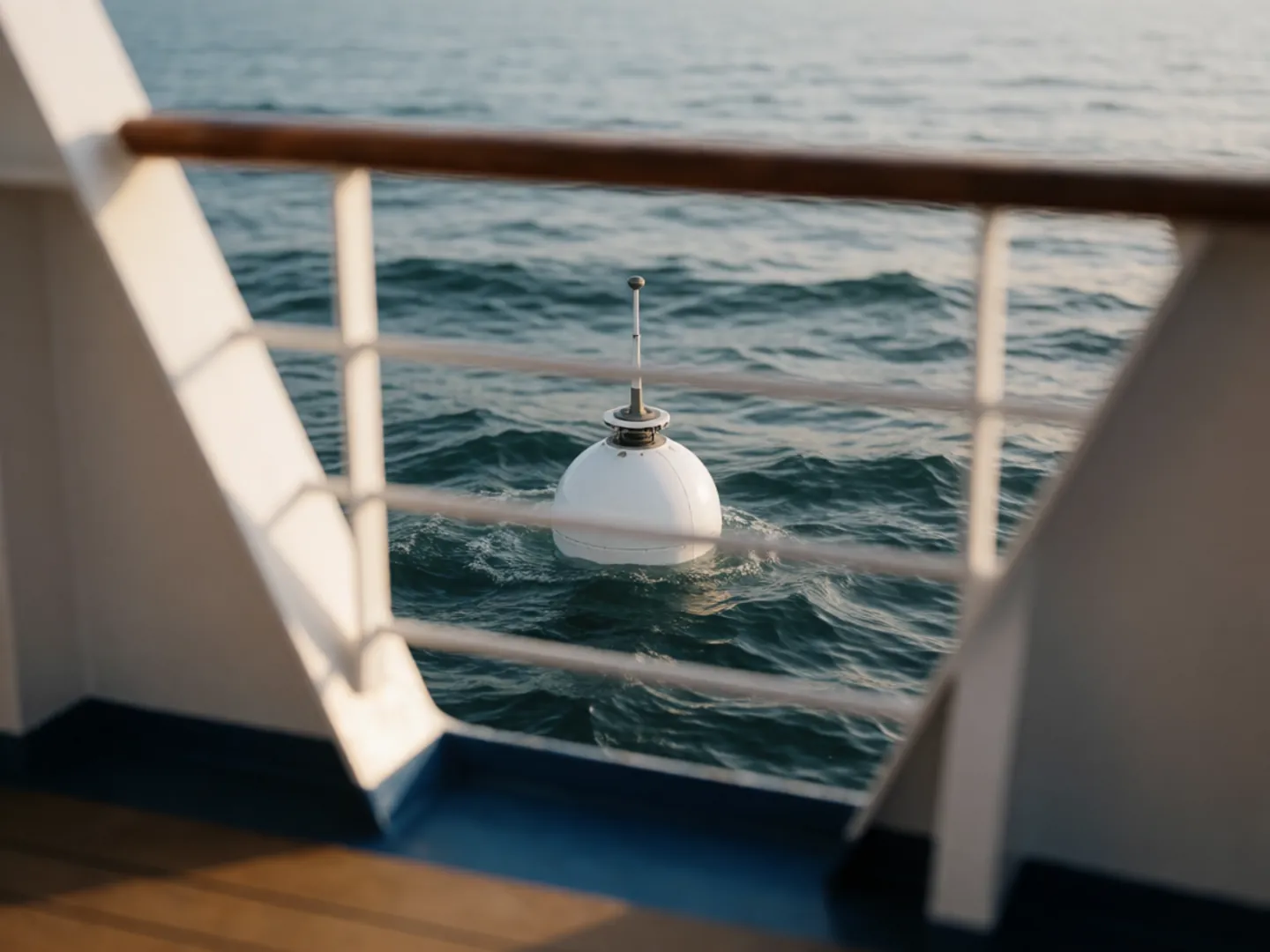
06LIFE IN A GYRE
The calm centres of subtropical gyres have traditionally been described as oligotrophic, meaning poor in the nutrients that feed algae and plankton. National Geographic notes researchers have linked an expansion of these nutrient-poor regions to rising sea-surface temperatures.
Below the surface, each deeper layer is deflected a little less than the one above, forming what is called an Ekman spiral that reaches down about 100 metres. Each gyre has a strong western boundary current, like the Gulf Stream, and a weaker eastern one.
07Questions
NOAA describes a gyre as a large system of rotating ocean currents. There are five major ones: the North and South Pacific, the North and South Atlantic, and the Indian Ocean subtropical gyres.
Earth's rotation deflects moving water, the Coriolis effect. In the Northern Hemisphere currents are deflected to the right, giving clockwise gyres; in the Southern Hemisphere to the left, giving anticlockwise ones.
No. NOAA says 'patch' is a misleading nickname. Debris is spread from the surface to the sea floor, much of it microplastics, and it is possible to sail through parts of it and see little or nothing.
NOAA says it may not be possible to remove them entirely, because most pieces by count are under 5 mm and constantly mixed. It focuses on prevention and on removing debris from shorelines.
No. NOAA notes the word is sometimes used for areas where plastic gathers, but traditionally it simply means a large system of rotating ocean currents.
08Sources
ABOUT THIS NAME
gyrotext.com is part of the DoodleSale portfolio. It isn't in an auction right now, but you can ask about leasing it.